
The Second Art Market: Buying and Reselling Artwork
The second art market covers the resale of an artwork after its first transaction. Auctions, dealers, galleries and private sales can all play a role, with provenance, condition, documentation and market context influencing the process.
The second art market is the market for artworks that are resold after their first sale. It differs from the first market because the work already has a transaction history and may have passed through one or more owners.
What is the second art market?
The second art market concerns an artwork that is being sold again after its first transaction. It can provide access to works that are no longer available from the original gallery or artist, but it requires careful checks on history, condition and authenticity.
The first market introduces an artwork for the first time, usually through the artist, studio or representative gallery. The second market begins when the work is transferred to another owner through a resale.
In a resale, the artwork’s previous life becomes part of the transaction. Invoices, certificates, ownership history, exhibition records, condition reports and photographs can help professionals and buyers understand the work.
First art market
The work is presented for the first time by the artist, studio or gallery. The price reflects the current primary-market relationship and the services of the seller.
Explore the first art market →Second art market
The work has already been sold and is offered again. Provenance, condition, previous sales and seller terms become especially important.
Understand the art market →Who operates in the second art market?
The main participants in the second art market are auction houses, art dealers, specialised galleries, collectors, fairs and private sellers. Their responsibilities, fees, timelines and levels of advice differ.
International auction houses
Christie’s, Sotheby’s, Phillips, Bonhams and other houses organise auctions, publish catalogues and apply conditions for buyers and sellers. Their catalogues can provide estimates and provenance information.
Galleries specialising in resale
Specialist galleries select works, verify information and present them to collectors. They may offer more direct advice and negotiation than a public auction.
Art dealers
Dealers source and sell works, connect buyers and sellers and may specialise in an artist, period, movement or medium. Read about the role of an art dealer.
Art fairs
Art fairs bring galleries and collectors together and can include both first-market and second-market works. Compare the gallery, documents and terms for each work.
Collectors and private sellers
Private transactions can be direct and flexible, but the buyer must be especially careful with authenticity, payment, provenance, condition and delivery.
Experts and appraisers
Qualified experts can assess a work, signature, condition, provenance and market context. An appraisal is a professional opinion with a stated purpose and date, not a guarantee of future price.
How does an art auction work?
An art auction offers artworks to competing bidders, either in a saleroom, online or through a hybrid sale. The final hammer price depends on bidding, demand and the sale conditions, while buyer’s fees, taxes, shipping and insurance may be added.
- Catalogue and estimate. The auction house publishes the artist, title, technique, dimensions, condition information and an estimated price range.
- Research and viewing. Read the catalogue, ask for a condition report and view the work or request reliable photographs before bidding.
- Registration. Create an account or register as a bidder, then read the buyer conditions, fees, payment deadlines and collection rules.
- Bidding. Bids may be placed in person, by telephone, online or through a written instruction. Set a maximum budget that includes all additional costs.
- Result and payment. The hammer price is not always the final amount. Add the buyer’s premium, taxes, shipping, insurance and any other charges stated in the catalogue.
- Collection and records. Keep the invoice, auction lot description, condition report, provenance and transport records with the artwork.
Never rely on the estimate alone: an estimate is an indication, not a guarantee of the result. Past auction prices do not guarantee future investment performance.
Artist market standing on the second market
An artist’s market standing on the second market is informed by documented sales, demand, reputation, provenance and the quality of comparable works. In French art-market vocabulary, the term cote can describe this broad price indicator, but it does not replace the assessment of a specific artwork.
To research an artist’s market standing, consult several sources rather than one isolated price:
- Recent completed auction results, not only asking prices
- The artist, title, date, technique, format and condition of comparable works
- Provenance, exhibition history and certificate or invoice documentation
- Artprice, Artnet, Invaluable and auction-house archives, where relevant
- Independent advice from a qualified expert for valuable or disputed works
Market standing can change. A strong result may be linked to a particularly rare or important work and should not automatically be applied to every artwork by the same artist.
How to resell an artwork
To resell an artwork, establish its identity and condition, gather the invoice, certificate, provenance and photographs, then compare a gallery, dealer, auction house or private sale. The right channel depends on the work and your objectives.
Keep the original purchase invoice and certificate. Record any restoration, reframing, damage or change of condition, and prepare clear photographs of the front, back, signature and frame.
Ask each professional who handles the buyer relationship, valuation, packaging, transport, insurance, payment and taxes. Compare the total costs and the expected timeline, not only the advertised commission or estimate.
Read our complete guide to reselling an artwork before choosing a channel.
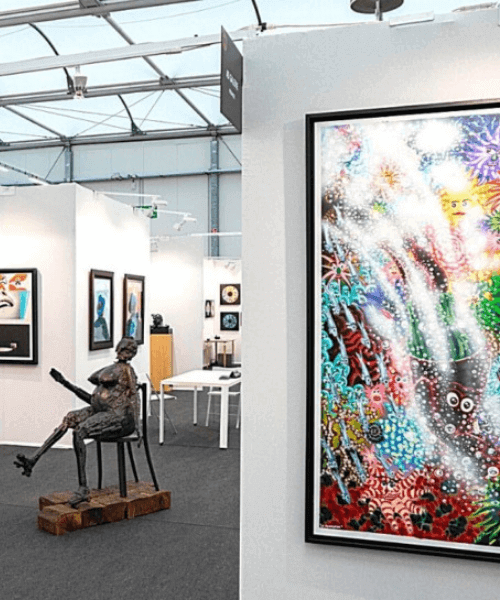
Buying or reselling an artwork involves more than a price. The seller, buyer, gallery, dealer, auction house, expert, carrier and insurer may all contribute to the transaction.
Clear documents and honest communication protect the artwork’s history and help everyone understand the responsibilities attached to the sale.
The second market can help collectors discover artists and works that are no longer available through their first presentation. Carré d’artistes focuses on the first market by presenting original works by 500 artists, founded in 2001 with a fair-price policy designed to reward artists fairly while keeping art accessible. Learn more about the art market →
Frequently asked questions about the second art market
The second art market requires attention to provenance, authenticity, condition, fees and total cost. These answers cover the questions most often asked before buying or reselling a work.
What is the second art market?
The second art market is the market for artworks resold after their first transaction. It includes auctions, dealers, specialised galleries, fairs and private sales.
What is the difference between the first and second art market?
The first market sells an artwork for the first time, usually through the artist or a gallery. The second market resells a work that already has a transaction and ownership history.
Is an auction always part of the second art market?
Auctions are a common second-market channel, but resale can also take place through dealers, galleries, fairs or private transactions.
What documents should I keep after buying an artwork?
Keep the invoice, certificate of authenticity, provenance documents, condition information, photographs and delivery records in a safe place.
Does a second-market price guarantee investment value?
No. Past prices can change and do not guarantee future performance. Buy for the artwork itself and seek independent advice for investment decisions.
Can I buy on the second art market without being an expert?
Yes, but take time to research the artist, work, provenance, condition, fees and seller. A reputable gallery, dealer or auction house can explain the documents and process.
Continue exploring