What Is Contemporary Art? Definition and Characteristics
Contemporary art refers to artworks created from the 1960s onward. It is defined by a wide range of techniques, artistic approaches and subjects, as well as by a desire to question the boundaries of art and reflect the world in which we live.
Contemporary art is art developed from the 1960s to the present day. It differs from modern art, which is usually associated with the late nineteenth century through the mid-twentieth century, because contemporary artists continue to challenge what an artwork can be, who can be an artist and how art can be experienced.
Definition of contemporary art
Contemporary art generally means art created from the 1960s to the present day. It differs from modern art through its expanded use of materials, technologies, subjects, contexts and participation, while continuing to question artistic conventions.
Contemporary art and modern art: what is the difference?
Modern art transformed artistic conventions through movements such as Impressionism, Cubism, Surrealism and abstraction. Contemporary art developed from the 1960s onward and expanded this questioning through new materials, new subjects, new technologies and a closer relationship with society and the viewer.
The distinction is chronological, but not only chronological. Contemporary art also changes the role of the concept, the context, the viewer and the artistic process. Read more about the difference between modern and contemporary art.
Characteristics of contemporary art
The main characteristics of contemporary art are the questioning of artistic boundaries, the importance of ideas, social engagement, freedom of technique, interaction with the viewer and attention to the present. These characteristics can appear together or separately in the same artwork.
Questioning boundaries
Contemporary art can challenge the distinction between art and everyday objects, beauty and discomfort, original and reproduction, artist and viewer.
Primacy of the concept
The idea behind an artwork can be as important as its material form. Context, intention and the questions raised by the work matter.
Engagement and social critique
Artists may address identity, memory, power, globalization, technology, inequality or the environment through personal or collective perspectives.
Freedom of technique
Painting, sculpture, drawing, collage, mixed media, installation, digital practices and performance can all belong to contemporary artistic practice. Photography can also be studied as an artistic medium, without being a product category sold by Carré d’artistes.
Interaction with the viewer
A work may invite discussion, movement, participation or interpretation rather than offering one fixed meaning. The viewer can become part of the artistic experience.
Anchoring in the present
Contemporary artists respond to the tensions, innovations and contradictions of their time, while sometimes revisiting older artistic traditions.
Main contemporary art movements
Contemporary art movements include pop art, minimalism, New Realism, hyperrealism, postmodern art, neo-expressionism, street art, conceptual art, land art and digital art. Artists often combine several influences rather than following one category.
Pop art
Pop art brought mass culture, advertising, comics and popular imagery into the artistic field.
Minimalism
Minimalism explored reduction, repetition and the relationship between an object and its space.
New Realism
New Realism transformed everyday objects, urban materials and consumer society into artistic subjects.
Hyperrealism
Hyperrealism examines the relationship between representation and reality through extreme precision.
Conceptual art
Conceptual art places the idea, process or context before the material object.
Neo-expressionism
Neo-expressionism brought back intense figurative painting and emotional gesture in the 1980s.
Street art
Street art connects creation with public space through graffiti, stencils, murals and engaged images.
Land art
Land art creates temporary or permanent works directly in natural environments.
Digital art
Digital art uses code, networks, artificial intelligence, interactive technologies and digital tools as creative media.
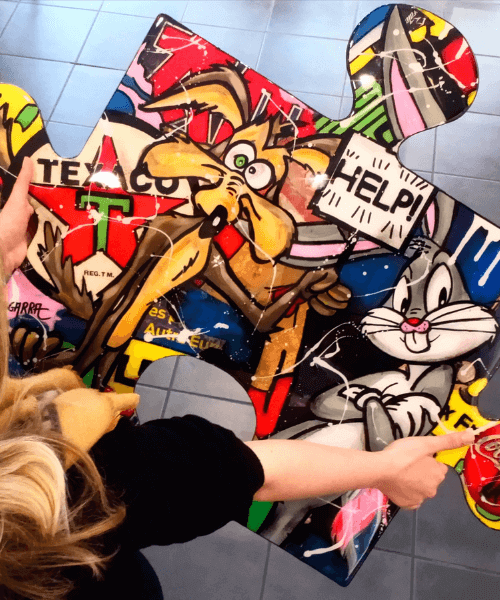
Artists can use a movement as a starting point without being limited by its label. Color, composition, material and cultural references create a personal artistic language.
Explore the main contemporary art movements and the history of contemporary art.
Famous contemporary artists
Among the most famous contemporary artists are Andy Warhol, Jean-Michel Basquiat, Banksy, Jeff Koons, Yayoi Kusama, Gerhard Richter and Damien Hirst. Their practices show how contemporary art can move between pop art, street art, neo-expressionism, installation, conceptual art and painting.
Pop art and neo-pop
Andy Warhol, Jeff Koons and Yayoi Kusama explore popular imagery, repetition, consumer culture and immersive environments.
Street art and urban art
Banksy, Jean-Michel Basquiat, JR and KAWS connect contemporary creation with public space, graphic language and social commentary.
Painting and abstraction
Gerhard Richter, Peter Doig and Jenny Saville show how contemporary painting continues to reinvent representation, matter and scale.
Conceptual and installation art
Damien Hirst, Olafur Eliasson and Marina Abramovic question the object, the body, experience and the role of institutions.
Digital and immersive art
Refik Anadol, teamLab and Beeple use code, data, digital images and interactive technologies as artistic tools.
Artists represented by Carré d’artistes
These globally known figures are only one part of contemporary art. Many artists create original works today from their own cultures, experiences and questions.
Explore the artist directoryDiscover famous contemporary artists and explore the artists represented by Carré d’artistes through the artist directory.
What is a contemporary artwork?
A contemporary artwork is an original work created within the contemporary period, using an artistic practice and a point of view connected to its time. It can be a painting, sculpture, installation, performance, digital creation or another form of artistic expression.
Paintings and sculptures are among the most accessible original works on the first art market. A contemporary artwork can be unique or part of a very limited edition, depending on the technique and the artist’s process.
Before buying, check the artist, title, technique, dimensions, signature, certificate, price and delivery conditions. A certificate of authenticity and invoice help document the work and its ownership.
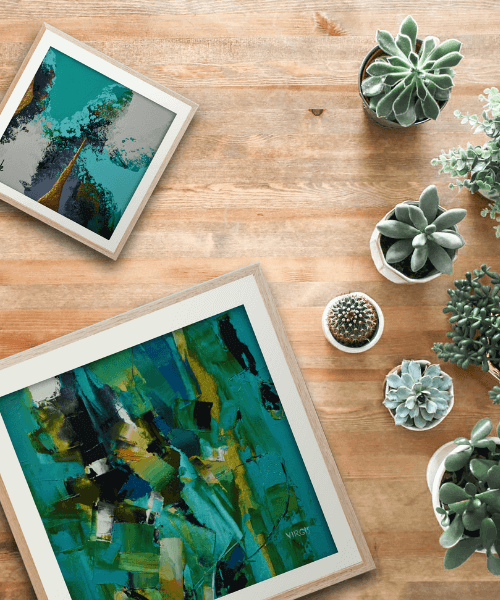
Carré d’artistes selects original contemporary paintings and sculptures from a community of 500 artists. Founded in 2001, the company follows a fair-price policy designed to reward artists fairly while keeping art accessible.
The price of a unique creation can feel closer to a train ticket or a hotel night than to an unreachable luxury purchase. Learn how to choose a contemporary artwork →
Contemporary art is not reserved for specialists. It can be discovered in galleries, museums, public spaces and online. Carré d’artistes makes the first market more approachable by presenting original works and information about the artists who create them. Explore the available artworks →
Discover contemporary art today
Explore original paintings and sculptures by artists who respond to the social, cultural, environmental and technological questions of the present.
View the artworksFrequently asked questions about contemporary art
Contemporary art is art developed from the 1960s onward, with many techniques, movements and interpretations. These questions cover the most common searches before exploring artists, visiting a gallery or buying an original artwork.
What is contemporary art?
Contemporary art is generally art created from the 1960s to the present day. It is defined by freedom of technique and subjects, social engagement, new media and a questioning of artistic boundaries.
Since when does contemporary art date?
Contemporary art is generally dated from the 1960s onward. Some museums use 1945 as an institutional boundary, but the 1960s are the historical reference used in this editorial guide.
What is the difference between contemporary art and modern art?
Modern art broadly covers the late nineteenth century through the mid-twentieth century, while contemporary art begins around the 1960s and continues today. Contemporary art expands the questioning of the artwork, its context, media and audience.
What are the characteristics of contemporary art?
The main characteristics are questioning artistic boundaries, the importance of ideas, social engagement, freedom of technique, interaction with the viewer and attention to the present.
Who are the most famous contemporary artists?
Among the most famous contemporary artists are Andy Warhol, Jean-Michel Basquiat, Banksy, Jeff Koons, Yayoi Kusama, Gerhard Richter and Damien Hirst. They represent very different practices and movements.
What is a contemporary artwork?
A contemporary artwork is an original work created from the 1960s onward using an artistic practice and point of view connected to its time. It may be a painting, sculpture, installation, performance or digital creation.
Continue exploring