
Where to Buy an Artwork: 5 Places to Know
You can buy an artwork through a gallery, online art sales, an art dealer, an auction house or an art fair. Each channel offers a different balance of advice, access, price, authentication, delivery and buyer support.
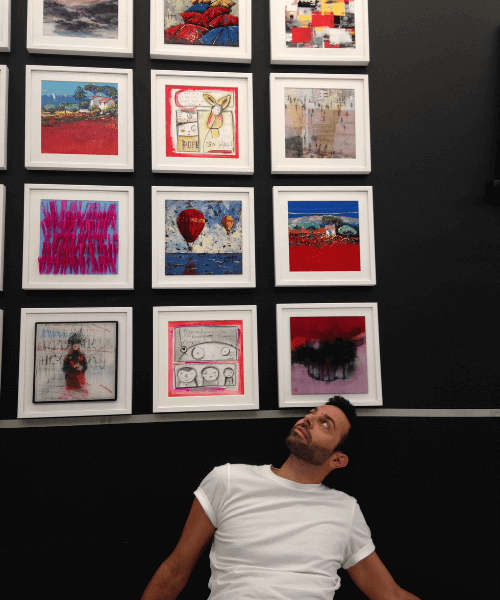
The pleasure of searching, comparing and discussing an artwork is part of the purchase. Whether you buy in person or online, the seller should make the artwork and the transaction easy to understand.
1. The Art Gallery
An art gallery selects and presents artists, provides context and helps buyers understand the artwork. It is often the most reassuring channel for a first purchase.
A gallery is a valuable intermediary between artist and buyer. Its selection can make artists visible, provide a professional context and help you compare techniques, formats and styles. The pleasure of looking, hesitating and exchanging with a gallerist is part of the experience.
Founded in 2001, Carré d’artistes has a network of galleries and represents a community of more than 500 artists. Its original works are presented online and in galleries, with authenticity information and transport insurance included for the buyer under the applicable terms.
Our guide to buying in a gallery explains what to ask before paying.
2. Online Art Sales
Buying an artwork online gives you access to a broad selection and time to compare artists, formats and prices from home, provided the platform is transparent and reliable.
Before buying, check the seller identity, artist biography, high-quality images, exact dimensions, technique, condition and authenticity documents. Also confirm the complete price, payment method, delivery, transport insurance and return policy.
- Authenticity: ask how the certificate of authenticity and invoice are supplied.
- Description: check images, dimensions, support, condition, signature and framing.
- Delivery: confirm packaging, tracking and transport insurance.
- Returns: return rights vary by country and contract; review the current terms before ordering.
- Selection: favor platforms that identify and curate their artists rather than offering unclear listings.
Carré d’artistes presents its online catalogue with the same aim as its physical galleries: make original art easier to discover, compare and purchase with confidence.
3. The Art Dealer
An art dealer helps mediate between artists, galleries, museums and collectors, and can support transactions in the primary or secondary art market.
This channel can suit experienced collectors who want to build a coherent collection, locate a specific artist or acquire works with a defined market history. Before working with a dealer, clarify their role, remuneration, independence, the seller represented and the services included.
Ask for written information about the artwork, price, fees, provenance, condition, delivery and documents. A dealer can provide valuable expertise, but the buyer should understand the contractual relationship before committing.
4. Auctions
Auctions offer access to unique works and resales, but buyers must research the catalogue, condition, provenance, bidding rules and complete cost before participating.
There are public auctions organized by an auction house and online auction platforms that connect sellers and buyers. Before bidding, study the lot description and condition report and, when possible, attend the preview to see the artwork in person.
Set a maximum total budget and keep to it. The winning bid may be followed by buyer’s premiums, taxes, shipping, insurance and storage. Our auction buying guide explains the preparation steps.
Read the conditions of sale and calculate every additional charge before you register. If the delivery arrives damaged, make precise reservations, state that it is received under reservation and photograph the closed parcel before opening it.
5. Art Fairs
An art fair brings together many galleries, artists and collectors, making it possible to compare practices and discover emerging artists in one place.
Art fairs are useful for seeing what different galleries present and for developing your eye through comparison. They can help you:
- discover the offer of many galleries in one location;
- identify emerging artists before their public recognition grows;
- create relationships with galleries and dealers;
- compare works, techniques, formats and styles in person.
International events include Art Basel, Frieze, TEFAF, Paris+ and The Armory Show, while local and regional fairs can be equally valuable for a first discovery.
Compare the Five Buying Channels
The best place to buy an artwork depends on your experience, project, budget and need for advice. Compare the five channels before deciding where to search.
| Channel | Market | Best suited to | Advice | In-person viewing | Online access | Returns |
|---|---|---|---|---|---|---|
| Art gallery | Primary or secondary | First purchase and discovery | Usually available | Yes | Often | Terms vary |
| Online platform | Primary or secondary | Independent browsing | Variable | No or limited | Yes | Terms vary |
| Art dealer | Primary or secondary | Experienced collectors | Specialist support | By arrangement | Variable | Contract dependent |
| Auction | Mostly secondary | Resales and unique lots | Catalogue and condition report | Preview when available | Often | Usually limited |
| Art fair | Mostly primary | Discovery and comparison | Gallery-led | Yes | Variable | Terms vary |
Availability, fees, authenticity documents, delivery and returns depend on the seller, country and contract.
Explore 500 selected contemporary artists
Discover original paintings and sculptures available online and through the Carré d’artistes gallery network.
Explore the artworksFrequently Asked Questions
Where to buy an artwork depends on whether you need gallery advice, online convenience, specialist support, competitive bidding or a fair-based discovery experience.
Where can I buy an artwork?
Five main channels are available: an art gallery, online art sales, an art dealer, auctions and art fairs. A gallery can be especially helpful for a first purchase because it combines selection, advice and authenticity information.
Is it safe to buy an artwork online?
It can be safe when you choose a serious platform that identifies the artist and seller, provides clear artwork information and certificate details, uses secure delivery and explains returns. Carré d’artistes includes transport insurance under the applicable terms.
Can I buy art without going through a gallery?
Yes. You can buy through an online platform, auction, art fair or directly from an artist. A gallery remains useful for advice, curation and buyer support.
How do I buy an artwork at auction?
Register with the auction house, study the catalogue and condition report, check the additional buyer costs and set a maximum total budget before bidding.
Read also
Buying channels in detail
Practical guides
Guides and resources
Explore our editorial guides to choose, buy and give art with confidence.