The Art Market Explained: Buyers, Sellers and Key Rules
The art market brings together artists, galleries, dealers, auction houses, fairs, collectors and online platforms. It has two main segments: the first market, where works are sold for the first time, and the second market, where works are resold. Understanding these channels helps buyers compare offers and make informed decisions.
The art market is the network through which artworks are created, exhibited, bought, sold and resold. The first market introduces new works through artists and galleries; the second market trades works that already have a previous ownership history through dealers, auction houses, galleries and private sales.
What is the art market?
The art market is the economic and cultural system in which artworks are produced, represented, exhibited and exchanged. It includes commercial transactions, but also the institutions, experts and audiences that give works visibility and context.
Unlike a conventional market, the art market does not value products only through production cost or utility. An artwork’s price can be influenced by the artist’s reputation, the work’s history, technique, condition, rarity, size, demand and the way it is presented.
The market is international and includes physical galleries, online platforms, fairs, auction rooms, museums, foundations and private collections. Buyers can enter it through a modest original work, a print, a sculpture or a more significant collection project.
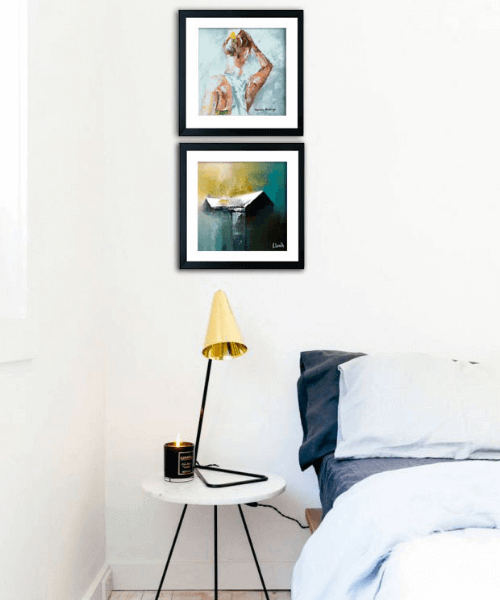
The art market connects artistic creation with people who want to discover, collect or support it. A gallery can provide context, documentation and advice that help a buyer understand the work before purchasing.
Whether the transaction takes place in a gallery, at a fair or online, clear information about the artist, work, price, delivery and documents is essential.
First and second art market
The first art market sells an artwork for the first time, usually through the artist, a gallery or a direct online channel. The second art market concerns a work that has already been sold and is being resold through a dealer, auction house, gallery or private transaction.
First art market
The work is presented to the market for the first time. The buyer usually acquires it from the artist or a representative gallery.
- Discover new and living artists
- Buy an original work directly through a gallery
- Receive an invoice and documentation linked to the first sale
- Price reflects the artist’s current practice and gallery positioning
Second art market
The work already has a previous owner and is offered again. Its history, provenance and past sales can influence the transaction.
- Find works through auctions, dealers, galleries or private sales
- Check provenance, condition and authenticity carefully
- Compare estimates, hammer prices and buyer fees
- Resale performance may affect the market value
The actors in the art market
The main actors in the art market are artists, galleries, art dealers, auction houses, fairs, online platforms, experts, institutions and collectors. Each plays a different role in creating visibility, setting prices, facilitating transactions or preserving provenance.
Art galleries
Galleries represent artists, select works, present exhibitions and advise buyers. They are central to the first market and can build long-term relationships with collectors.
Art dealers
Dealers buy and sell works, connect collectors with artists and may specialise in a period, medium or movement. They are active in both primary and secondary transactions.
Understand the role of an art dealerAuction houses
Auction houses organise public sales, publish estimates and bring together competing bidders. The final price depends on bidding, fees, demand and the sale conditions.
Art fairs
Fairs bring galleries, artists, collectors and institutions together in one place. They create visibility and make comparison between different galleries easier.
Online art platforms
Online platforms broaden access to artworks and allow buyers to compare artists, formats, prices and delivery options. Check who sells the work and which documents are supplied.
Collectors and institutions
Private collectors, museums, foundations and companies support artists and influence demand through acquisitions, exhibitions and long-term loans.
Artwork value and market price
The market value of an artwork depends on the artist, the work itself and its market context. There is no single universal price: comparable sales, condition, provenance, technique, format, rarity and current demand all contribute to an estimate.
Factors on the first market
For a new work, the price may reflect the artist’s experience, exhibition history, medium, format, production time and gallery positioning. A clear description, signature, invoice and certificate can help document the transaction.
Factors on the second market
For a resold work, the artist’s reputation and previous sales may be important, as well as provenance, condition, authenticity, rarity and the work’s place in the artist’s career. An auction estimate is not a guarantee of the final price.
When researching an artist’s market value, use several sources and avoid confusing a listed price with a completed sale. Our guide to artist valuation explains the main criteria in more detail.
Tax and the art market internationally
Art-market taxation varies widely by country and can depend on the buyer, seller, transaction type, import status, resale, location and artwork value. Before a significant purchase or resale, ask a qualified tax adviser for advice in the relevant jurisdiction.
Taxes may apply to the purchase, import, sale, resale or transfer of an artwork. The applicable rules can differ between a private collector, a professional dealer, a gallery, an artist and an auction house.
- Check whether sales tax, VAT or another consumption tax applies to the transaction
- Ask whether import duties or customs documentation are required when an artwork crosses borders
- Keep invoices, certificates, shipping records and payment documents
- Ask how a resale gain, gift, inheritance or donation is treated locally
- Do not rely on a foreign example as a substitute for country-specific advice
Our guide to artwork taxation presents international principles and examples without replacing professional advice.
Reselling an artwork
To resell an artwork, prepare its invoice, certificate, photographs, condition report, provenance and any previous valuation. Then compare the route that best fits the work: gallery, dealer, auction house, online platform or private sale.
Resale can take place through an auction house, a dealer, a gallery, an online platform or a private transaction. Each channel has different costs, timelines, audiences and levels of support.
Do not confuse a current asking price with a guaranteed resale value. Market conditions can change, and an artwork may take time to find the right buyer. Compare several professional opinions before choosing a route.
Read our detailed guide to reselling an artwork for the main options and documents to prepare.
Carré d’artistes makes the first art market more accessible by presenting original works by 500 artists. Founded in 2001, the company follows a fair-price policy designed to reward artists fairly while making art accessible to a wider audience. Discover the available artworks →
Frequently asked questions about the art market
The art market includes first sales, resales, galleries, dealers, auction houses, fairs and online platforms. These answers cover the questions most often asked before buying or selling an artwork.
What is the art market?
The art market is the network through which artworks are created, exhibited, bought, sold and resold. It includes artists, galleries, dealers, auction houses, fairs, online platforms, experts and collectors.
What is the difference between the first and second art market?
The first art market sells an artwork for the first time, usually through the artist or a gallery. The second art market resells a work that already has a previous ownership history.
How can I find an artist’s market value?
Compare completed sales, exhibition history, technique, condition, provenance, format, rarity and current demand. For a valuable work, ask a qualified expert or appraiser for an independent opinion.
Where can I buy an artwork?
You can buy an artwork from a gallery, artist, dealer, auction house, art fair, online platform or private seller. Check the seller, invoice, certificate, condition and delivery terms before paying.
Are artworks taxed?
Artwork taxation depends on the country, transaction, buyer or seller status, import rules and resale situation. Ask a local tax adviser before a significant purchase, sale, gift or inheritance.
How can I resell an artwork?
Prepare the invoice, certificate, photographs, condition report and provenance, then compare a gallery, dealer, auction, online platform or private sale. The best route depends on the work and your objectives.
Continue exploring