summary
How to learn about the art market
Buying art can seem difficult if you are not familiar with the codes of the artistic world. Maybe you hesitate to take the plunge because of your budget?
There are several reasons that can prevent you from starting to collect art.
The best way is to trust your instincts and your tastes. Let your heart speak and choose a work that thrills you, moves you and touches the depths of your being.
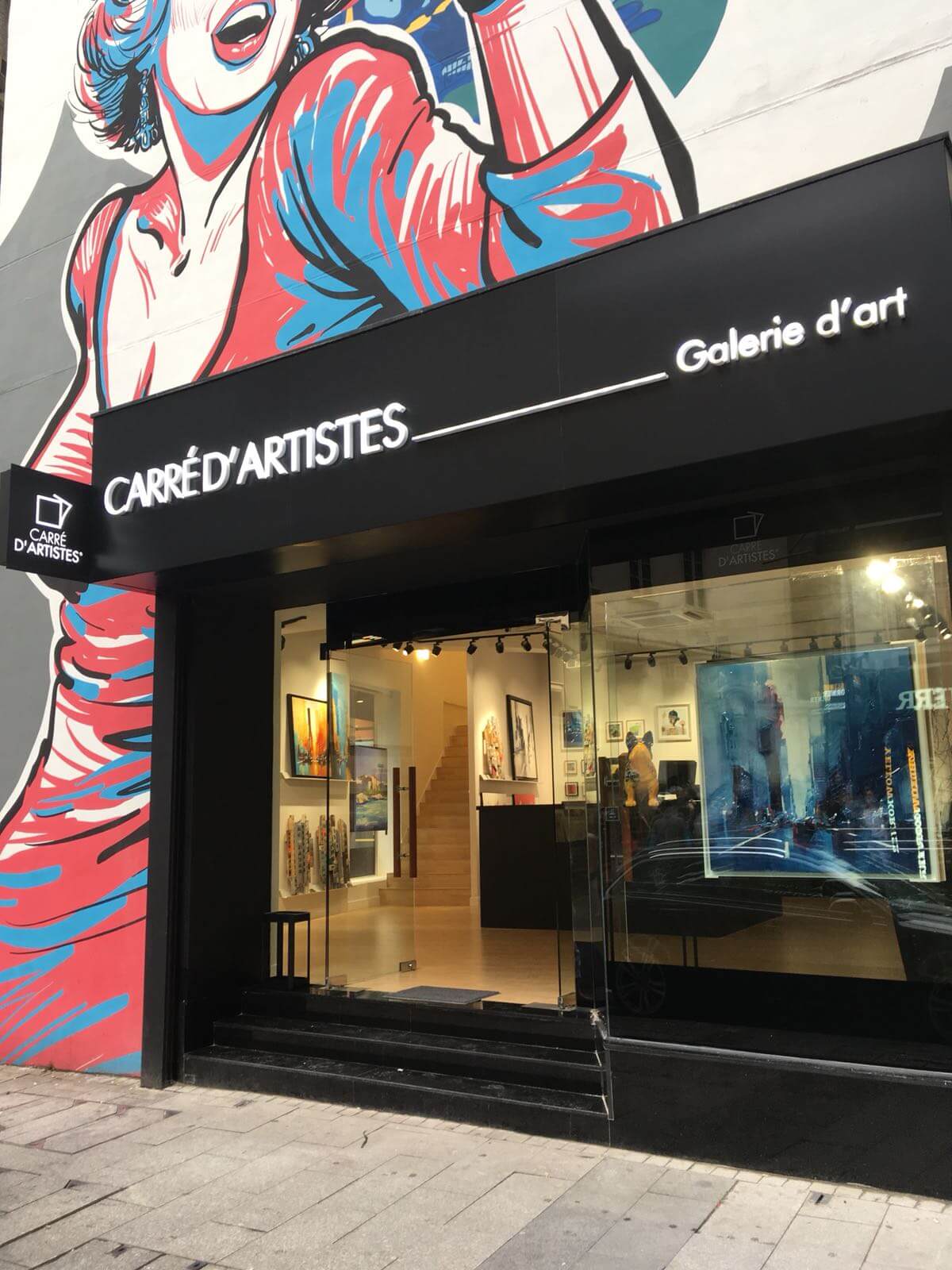
Visit museums, exhibitions and art galleries
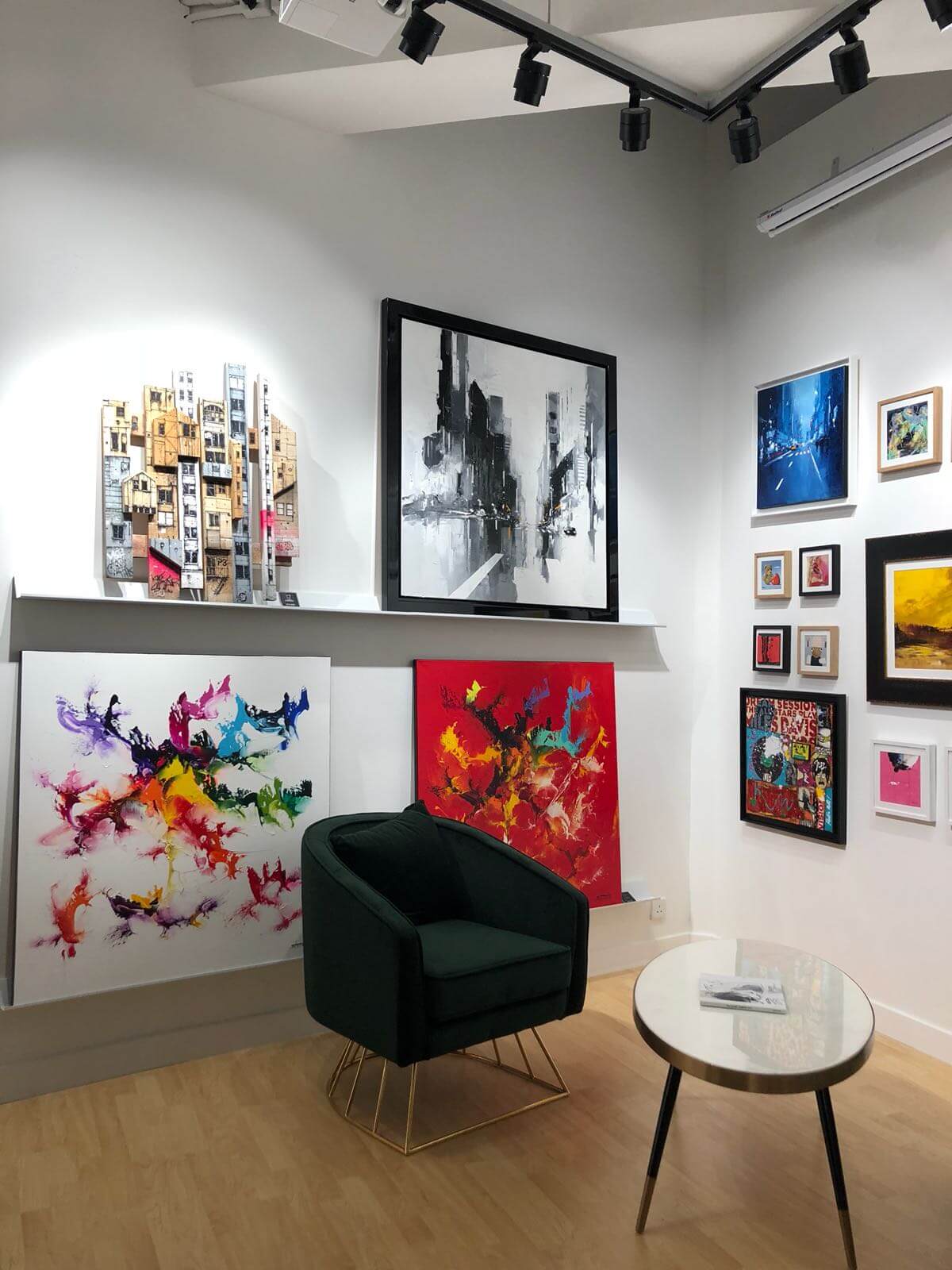
To sharpen your gaze and make your choice, do not hesitate to visit art places such as museums, exhibitions, galleries or contemporary art fairs. You will discover a selection of artists, styles, objects, materials and colors.
Trust your instincts
Art is above all a matter of taste and passion. The choice of the work must reflect your personality . A work of art should please your eye and speak to your heart and for a long time.
What are the usual places to buy art?
The usual places of sale where it is possible to acquire artwork are:
- the galleries;
- auction sales;
- online art sales;
- art fairs;
- directly from the artist.
The art market in France
The art market is the place where works of art are exchanged. In France, this brings together all types of transactions between the various players: artists, gallery owners, art brokers, wealth management advisers and buyers (art lovers or collectors). The art market is segmented: ancient art, primitive art, classical art, modern art, contemporary art, etc.
The works of art circulate there in a closed circuit: from the artist's studio to the first buyer, from the gallery to the collector, from one auction to another, etc. Tax laws and regulations and the definition of a work of art vary from country to country, but also in France which hosts regional markets in Lyon and Toulouse. The general trend is the increase in fairs, art fairs and online art sales platforms.
The art market is divided into two sub-markets:
The first market
This market brings together all the works of art presented in a gallery or at a fair for the first time. The price of the work is fixed for the first time with the gallery owner or the dealer according to the cost of the products necessary for the creation of the object. The price of the artwork will then fluctuate depending on supply and demand.
The second market
If the dealer, collector or gallery resells a work of art, then it goes into the secondary market.
Most of the works sold at auction belong to the secondary market.
The art market in the world
The international art market is concentrated in a few countries: United States, United Kingdom, Italy, Germany and China. In 2018, the United States held 35% of the market and China 31%.
There is also a decline in the French position on the international market to the benefit of Anglo-Saxon countries. Internationally, the art market brings together different players: artists, collectors, curators, auctioneers, auction houses, art galleries, antique dealers, art dealers and brokers, art critics, museums and trustees , patrons, art foundations and other actors such as investment funds or private banks.How to choose an artwork?
Consumer society today tends to view a work of art as a mere object of consumption. This assumes that you tire of it over time. In reality, this is rarely the case. Indeed, the artist wanted to express something by creating a work. His personal and authentic approach will meet your eyes and touch your heart. It would be a shame to choose a work of art just because it goes well with the decor of your living room. A work that you like must be able to follow you for many years to come.
She will guide you, make you travel and brighten up your daily life. It is best to choose a work for the emotion it brings to you and not for its brilliance or what others think about it. Do not hesitate to visit art places (museums, galleries, art auctions, etc.) to discover different artists and refine your tastes in art. There's nothing stopping you from splurging every now and then, but if it's a first-time purchase, we recommend that you set a maximum budget for a work of art.
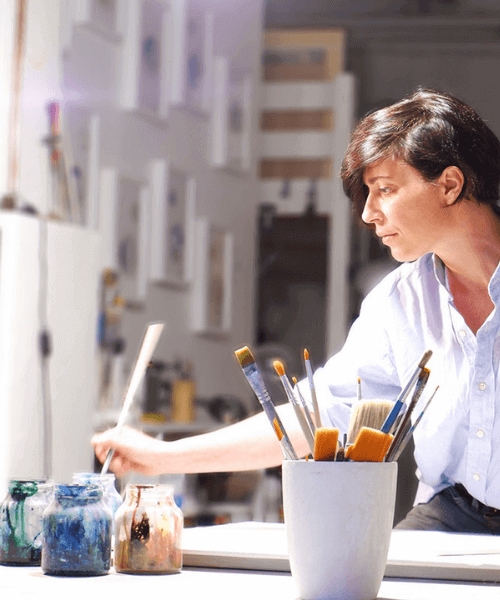
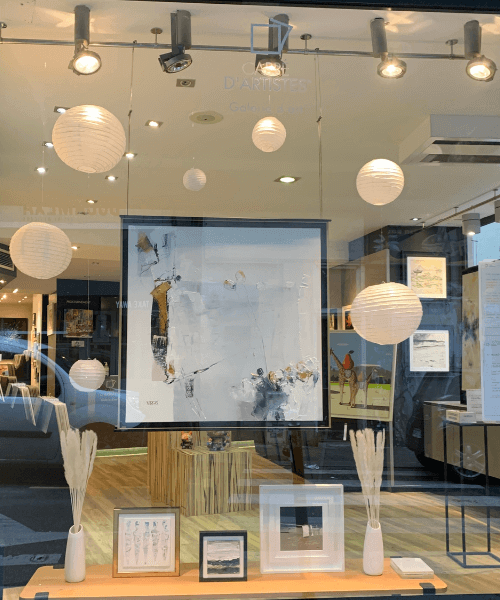
What is an artwork?
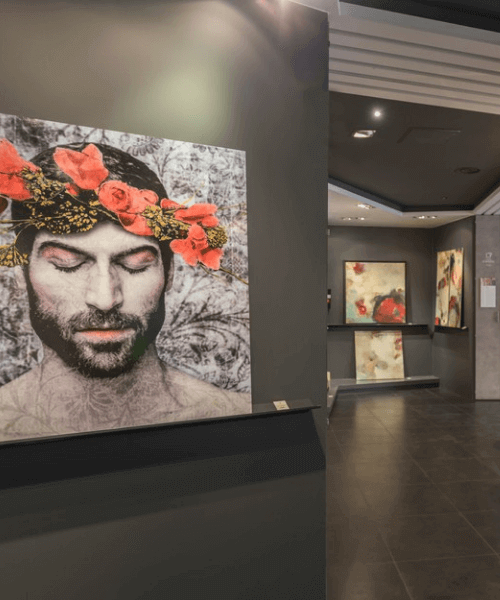
It uses specific creative techniques (photography, sculpture, painting, etc.). The works of art belong to artistic movements from different eras. A work of art has long been defined as a unique piece created by an artist testifying to his or her abilities. However, contemporary art and in particular conceptual art came to oppose this conception of the work of art.
The most emblematic example is that of the bidet industrially manufactured by the artist Marcel Duchamp. He was the first artist to criticize the idea that a work of art should be the sole product of the work of an artist representative of his artistic abilities. Indeed, objects do not have a constant meaning. Their meaning is shaped by man according to his culture, because he likes to make sense of things. Today stage performance and ephemeral works are also works of art.
How to preserve your artworks?
All works of art are sensitive to variations in temperature and humidity. Paint canvases are also sensitive to direct sunlight.
Protect works from light
The temperature and humidity of the room
Dust due to heating
How to insure a work of art?
Before insuring an artwork, it is important to estimate its value: sculpture, antique furniture, masterpiece, jewel, contemporary painting, etc.
The declared value of the work of art is the one given by the collector to his insurer, without any necessary proof. It is therefore advisable to estimate a work of art at the agreed value. An expert or an auctioneer will draw up a valuation document to guarantee the authenticity of the work.
This document will be useful for compensation in the event of a claim and also as proof of the approximate value of your work.
A work of art is part of your heritage. The insurance of works of art is included in the home insurance. However, you can take out an additional insurance policy specifically for valuable objects. It is generally advisable to take out a specific insurance policy for your works of art from a value of €3,000 to €4,000.
This type of policy is not very expensive and corresponds to about 5% of the value of the assets to be insured. In addition, you may have to pay for the installation of a suitable security system to protect your works of art.
Complementary articles :
- Understanding the art market
- How to choose an artwork?
- Insure an artwork
- Preserve your artwork
- Art market
- Choosing an artwork
- Preserving an artwork
- First art market
- Second art market
- Where to buy an artwork
- The taxation of an artwork
- Resell an artwork
- Buy an artwork in a gallery
- Buy an artwork online
- Call on art dealer
- Buy an artwork at auction
- Resel an artwork
- Choose a contemporary artwork
- Choose a modern artwork
- The price of an artwork
- The signature of an artwork
- The certificate of authenticity of an artwork
- History of contemporary art
- Currents of contemporary art
- Well-known contemporary artists
- Difference between modern and contemporary art
- History of modern art
- Currents in modern art
- Famous modern artists
- The signature of an artwork
- The certificate of authenticity of an artwork
- The price of an artwork