Primary Art Market: Definition, Players and How to Buy
The primary art market is where an artwork is sold for the first time, usually through the artist, a gallery, an art fair, a dealer or an online platform. It gives buyers the chance to discover original work at the point where it first enters the market.
What Is the Primary Art Market?
The primary art market covers the first sale of an artwork, before it has a resale history. The transaction may take place through an artist, gallery, dealer, fair or online platform; the key point is that the work is entering the market for the first time.
The term first art market is often used in English-language content, but primary art market is the clearest professional expression for the same idea. It describes the position of the transaction in the artwork’s ownership history, not a single venue or price level.
Primary art market
- First public sale of the artwork
- Often connected to the artist’s studio or representing gallery
- Price established by the artist, gallery or selling partner
- Useful for discovering new work and supporting creation
Secondary art market
- Resale after the first transaction
- May involve an auction house, dealer, gallery or private sale
- Price informed by demand, condition, provenance and past results
- Creates a track record of ownership and sales
The same marketplace can sometimes handle both types of transaction. For example, a gallery may sell a new work for the first time and later arrange the resale of a work that has already belonged to a collector. The terms describe the sale history, not a permanent label attached to the venue.
Who Participates in the Primary Art Market?
Artists, galleries, dealers, art fairs, online platforms and collectors are the main participants in the primary art market. Together, they create, present, explain and purchase artworks before a later resale may move them into the secondary market.
Artists
Artists create the work and may sell directly, work with a gallery or use a platform. Their practice, materials, experience and career development all help shape the context of a first sale.
Galleries
Galleries select and present artists, organize exhibitions, advise collectors and provide information about the work. A gallery sale is part of the primary market when the artwork is sold for the first time.
Dealers and advisors
Art dealers and advisors help buyers discover work, compare opportunities and complete transactions. Their role and remuneration depend on the agreement and the market in which they operate.
Fairs and online platforms
Art fairs and digital platforms widen access to artists and galleries. They can make first-sale works visible to collectors beyond a local exhibition or studio visit.
Collectors
Collectors may buy for personal enjoyment, to build a coherent collection, to support an artist or to explore the market. A clear budget and a genuine connection with the work remain essential.
Institutions
Museums, foundations and businesses may also acquire work in the primary market. Institutional interest can later contribute to an artist’s visibility, but it does not guarantee future value.
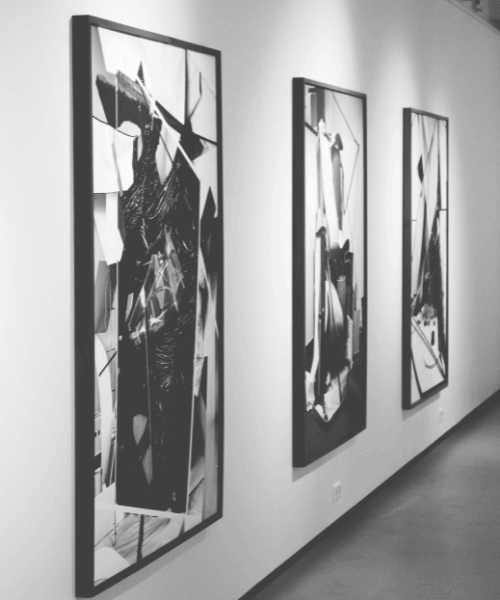
For a buyer, the first sale can be an opportunity to understand the artist’s approach, ask practical questions and choose a work that has not previously belonged to another collection.
At Carré d’artistes, the selection focuses on original paintings and sculptures by a community of more than 500 artists, presented online and through galleries.
How Are Primary-Market Prices Formed?
Primary art market prices may reflect the artist’s career stage, technique, materials, format, production time, demand, exhibition history and selling channel. A first-sale price is not an auction result, so it should be assessed through the work itself and the information supplied by the artist or seller.
For emerging artists
When an artist has little or no established sales history, a price can be built from concrete elements such as:
- materials and production costs;
- technique, complexity and time invested;
- dimensions, support and presentation;
- training, exhibitions, residencies and career development;
- the demand for the artist’s work and the consistency of the series.
For artists with an established market
When an artist has a recognized market, the price may also take account of previous sales, collector demand, institutional exposure, rarity, provenance and the gallery or dealer presenting the work. These indicators help provide context, but they do not replace an assessment of the specific artwork.
International note: taxes, buyer protections, commissions, shipping charges and return rights vary by country and contract. Review the seller’s current terms and seek qualified local advice for a legal or tax question.
A fair price should be understandable and consistent with the work’s characteristics. Carré d’artistes follows a fair-price approach designed to reward artists fairly while keeping original art accessible to a broad range of buyers.
How to Buy in the Primary Art Market
To buy in the primary art market, choose a work that speaks to you, verify the artist and seller, review the technique and dimensions, request the available documents, then confirm the total cost, delivery and return conditions before payment.
- Define your intention and budget. Decide whether you are buying for your home, a collection, a gift or a first exploration of original art.
- Compare the artwork and the artist. Look at the medium, dimensions, subject, series, signature, biography and the way the work is presented.
- Check the documents. Ask about the invoice, certificate of authenticity, edition or uniqueness, condition and any relevant provenance.
- Calculate the complete cost. Confirm taxes, shipping, framing, insurance, payment terms and possible import charges when buying across borders.
- Plan delivery and care. Keep the documents, follow handling advice and inspect the parcel before opening it.
Buying directly from an artist
A studio visit, open studio or artist-led exhibition can offer a direct introduction to the work. Ask how the price was set, what documents accompany the piece and which delivery or return terms apply.
Buying through a gallery or art fair
A gallery or fair provides a curated context and an opportunity to discuss the artist, technique, dimensions and installation. You can also compare several works in person and request professional guidance before committing.
Buying through an online art platform
An online platform can make the primary market accessible from home. Before you buy, check the artwork description, seller identity, certificate, secure payment process, shipping method, insurance and return policy. For Carré d’artistes online purchases, transport insurance is included for the buyer without an additional cost, according to the applicable terms.
Discover contemporary paintings and sculptures
Carré d’artistes has been presenting original, certified works since 2001, with a fair-price policy that supports artists and keeps art accessible.
Explore the selectionFrequently Asked Questions About the Primary Art Market
The primary art market is easiest to understand when you separate the first sale from later resales, then check the participants, price logic and buyer protections attached to the transaction.
What is the primary art market?
The primary art market is where an artwork is sold for the first time. It can involve the artist, a gallery, dealer, art fair or online platform.
What is the difference between the primary and secondary art markets?
The primary market covers the first sale. The secondary market covers later resales, with price context influenced by condition, provenance, demand and previous transactions.
Can a gallery sale be part of the primary art market?
Yes. A gallery sale belongs to the primary market when the work is being sold for the first time. The same gallery may also handle resales, which belong to the secondary market.
How are primary art market prices determined?
Prices may reflect materials, technique, format, production time, career stage, demand, exhibitions and the selling channel. The artist or gallery generally establishes the first-sale price.
Can I buy primary market art online?
Yes. Online galleries and platforms can sell original works for the first time. Review the artwork details, certificate, delivery, insurance, taxes and return conditions before payment.
Is buying in the primary art market a guaranteed investment?
No. A first-market purchase can support an artist and offer the pleasure of discovery, but future resale value is never guaranteed. Buy for the quality and meaning of the work first.